Accessibility practices for temporary exhibitions
The Ara Pacis Museum tells its story
by Francesca Romana Chiocci
If you ask a resident of Rome which experience they associate with the Ara Pacis Museum, they will most likely answer by recalling the last exhibition they saw there. Since, in fact, in 2012, it was decided to allocate the vast semi-basement floor as a space for temporary exhibitions, the museum has become a reference point in the cultural programming of the Capital.
An opportunity for deepening, research, and dissemination, temporary exhibitions have since occupied an important part of our work: designing them with accessibility, inclusivity, and participation in mind is the challenge we wanted to take on to concretely respond to the right of all citizens to full and fulfilling participation in the city's cultural life. This has meant a fundamental change of perspective: putting the visitor at the center of the exhibition proposal, listening to needs, expectations, motivations. A substantial change that pushes us, with every new exhibition, to question many different aspects of design and offers us the opportunity to engage with actors, always different, involved in the various phases of the project.
But accessibility, as we now know, is above all a process that advances through trial and error and degrees. And we started with small steps, initially focusing on measures and tools for audiences with sensory disabilities, respecting their different visit needs. In the retrospective dedicated to the photographer Robert Doisneau (2022), curated by Gabriel Bauret, we, for example, accepted the challenge by aiming to make photography accessible to blind people or those with reduced visual ability. An ambitious goal pursued by creating an audio-tactile pathway made up of raised drawings set up next to some of the main exhibited works, along the entire exhibition route. The tactile drawings were accompanied by audio descriptions that guide the user in the tactile exploration of the device and the knowledge of the work. So not only free tactile visits, conducted by specialized operators, available to those who want to be guided in the tactile exploration, but also devices usable by those who wish to visit the exhibition independently. Thanks to the valuable collaboration with the Omero State Tactile Museum and the comparison with a network of visitors with visual disabilities, we thus took the first step by facing the complexity of designing tactile devices and the limits and possibilities of translation.
From such an ambitious project, not without critical issues, an important and unexpected result also came: starting from those same tactile devices, exhibited at the Italian Center for Photography in Turin, the next venue of the exhibition, the great Open Camera project was born one year later, an accessible and permanent multimedia path dedicated to the history of photography, the first of its kind in Italy both in type and conception.
In September of the same year, for the exhibition dedicated to Lucio Dalla, the commitment focused on another great challenge: making an exhibition dedicated to music accessible also to deaf visitors. In collaboration with the Social Policies and Health Department of Rome Capital, we organized numerous visits for hearing and deaf people; on display, three videos in which the performer Mauro Iandolo, from the cooperative Segni di Interazione-Lazio, interprets in Italian sign language three famous songs by the Bolognese singer-songwriter: La sera dei miracoli, Cara, 4 marzo 1943. In the videos, the universal language of the body becomes music, visually conveying not only the lyrics, but also the melodies and rhythms. Lucio Dalla's music thus becomes a new, overwhelming sensory experience, both for hearing and deaf people: the emotion infects everyone. The devices, designed for some, become tools for many to enter already known melodies in a new way.
The theme of accessibility therefore involves not only audiences and visitors but also implies the active participation of many other actors such as institutions, associations, professionals, volunteers, museum staff, with whom exhibitions are co-designed and realized. The spread of a culture of accessibility thus becomes the added value of every intervention.
With the retrospective HELMUT NEWTON. LEGACY, alongside the Museum comes Rai Public Utility, which collaborates with its high professionalism in the design and creation of audio descriptions and LIS videos covering the extensive exhibition route and giving significant contribution to the project's communication. The tactile drawings, by Radici Social Cooperative, accompany visitors with thematic insights on some of the most representative photographs. Architects, installers and curators share with us the various project aspects, from graphics, to installation, to communication. Accessibility is definitely included in the economic plan of our exhibitions.
The real change in terms of redefining design with an accessible approach arrived with TEATRO. Autori, attori e pubblico nell'antica Roma (2024), an archaeological exhibition curated and produced by the Capitoline Superintendence, designed from the start with the aim of expanding content, offering diversified experiences, responding to the different needs of visitors. From ad hoc devices, from accessibility conceived for some, it reaches realizing an experience that involves, with different tools, a wide public. 3D reproductions of works to touch, multimedia reconstructions to explore, replicas of ancient musical instruments to play, multimedia installations in accessible version, audio descriptions, LIS videos, and, last but not least, a calendar of sound workshops aimed at different audience groups to accompany the public in discovering the theatrical world of ancient Rome. The visitor is finally at the center and independently chooses how to best discover the presented contents: not only an exhibition of masterpieces and works but also new ways to explore and get to know them, involving the different senses.
Among the strategies for building exhibition projects where the keyword is participation, the exhibition Franco Fontana. Retrospective (2024-2025) with its Biblioteca astratta, an accessibility device for everyone to leaf through, dismantle, and reassemble according to overlapping sequence plans. Composed of six silent tactile books placed next to the reference photographs, the project, conceived and realized by Fabio Fornasari, invites to expand the exhibition experience by tactilely leafing through the visual text of the works. The visitor – adult or child, with sensory or cognitive disability, erudite or neophyte – moves from spectator to active reader and, through interpretation, contributes to building a new meaning of the famous shots of the Modenese photographer. A rich and busy schedule of visits and workshops accompanies the exhibition and offers visitors the chance to have an active and multisensory experience of Fontana's work.
A true key to change and transformation, designing accessible is above all a great team effort that translates into an exciting opportunity for exchange, enrichment, meeting, and growth for everyone. Accessibility proves to be a concrete and precious opportunity to rethink ourselves as a museum, in terms of public service, and to update and enrich our way of conceiving exhibitions.
Questo contenuto è rilasciato secondo i termini e le condizioni della licenza Creative Commons c.d. “Free Culture” – CC BY-SA (https://creativecommons.org/licenses/by-sa/4.0/); detta licenza consente, citando la fonte, di utilizzare e condividere i contenuti con qualsiasi mezzo e formato, nonché di trasformarli, per qualsiasi fine anche commerciale, e con facoltà di sub licenziare in futuro i contenuti ad altro editore, purché con le condizioni e i termini della medesima licenza CC BY-SA.
Diversi termini di titolarità e licenza sono indicati esplicitamente.
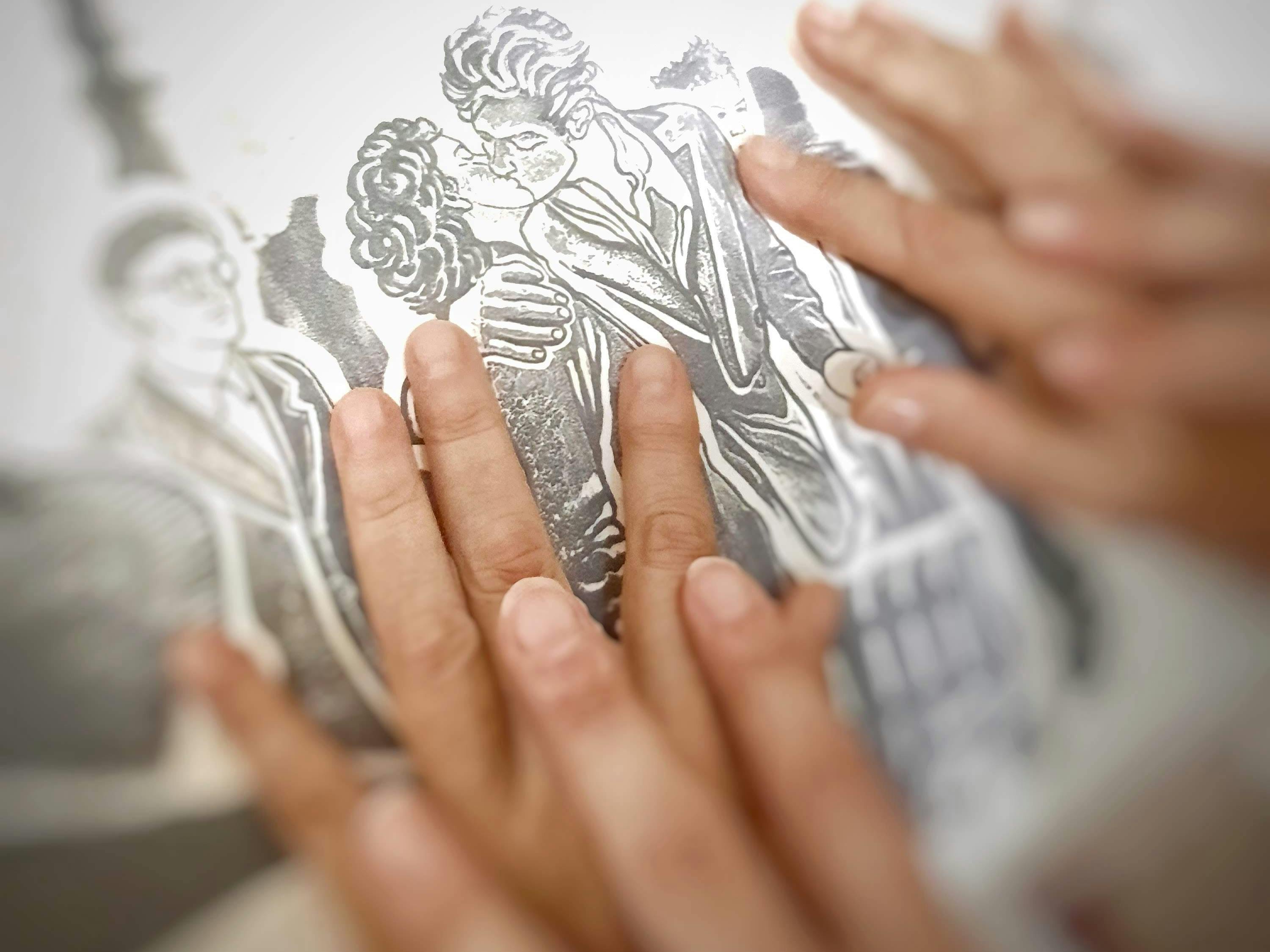
Rome, Museo dell'Ara Pacis. "Robert Doisneau" Exhibition, 2022. Audio-tactile integrated pathway.
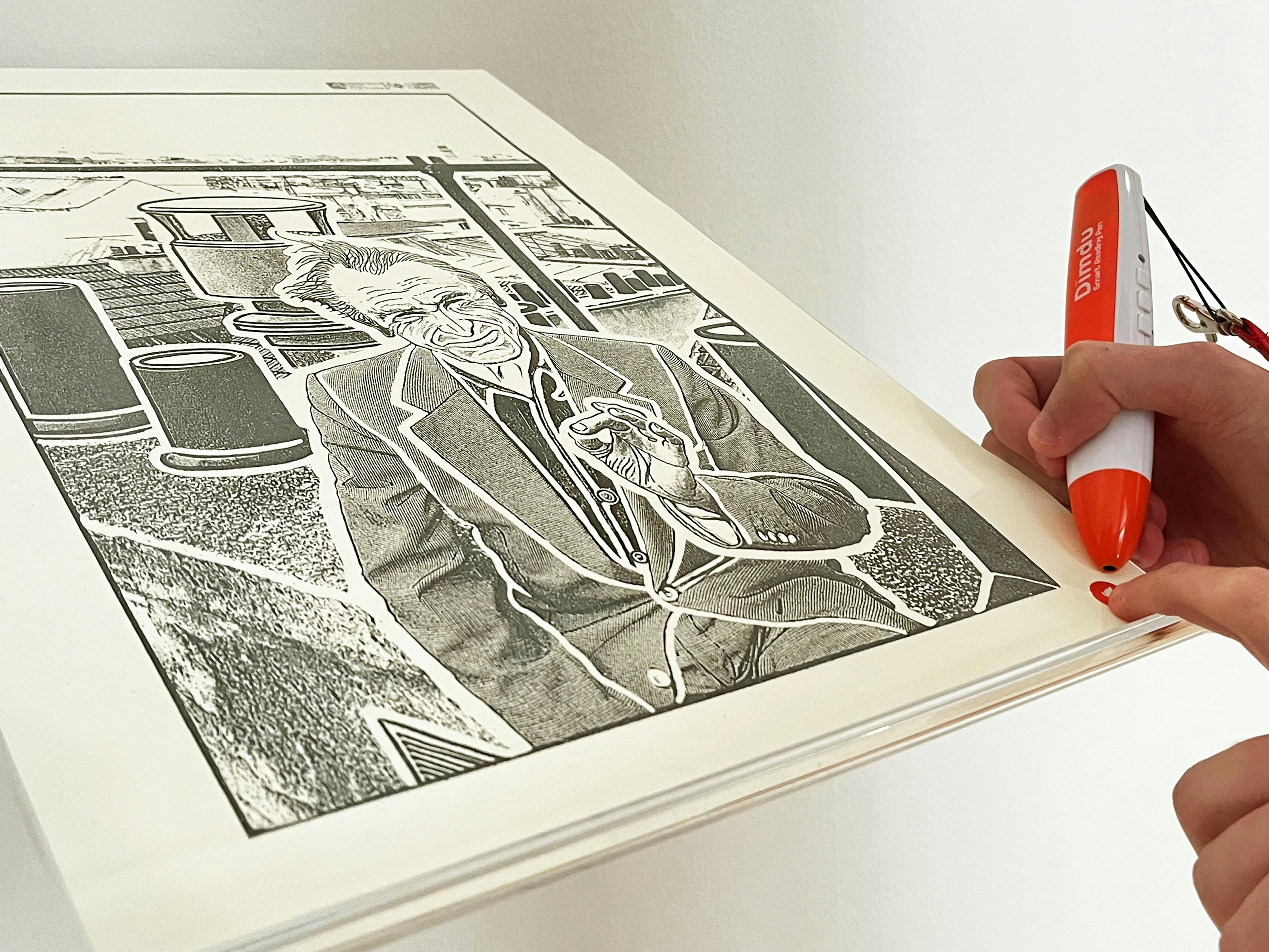
Rome, Museo dell'Ara Pacis. "Robert Doisneau" Exhibition, 2022. Audio-tactile integrated pathway.
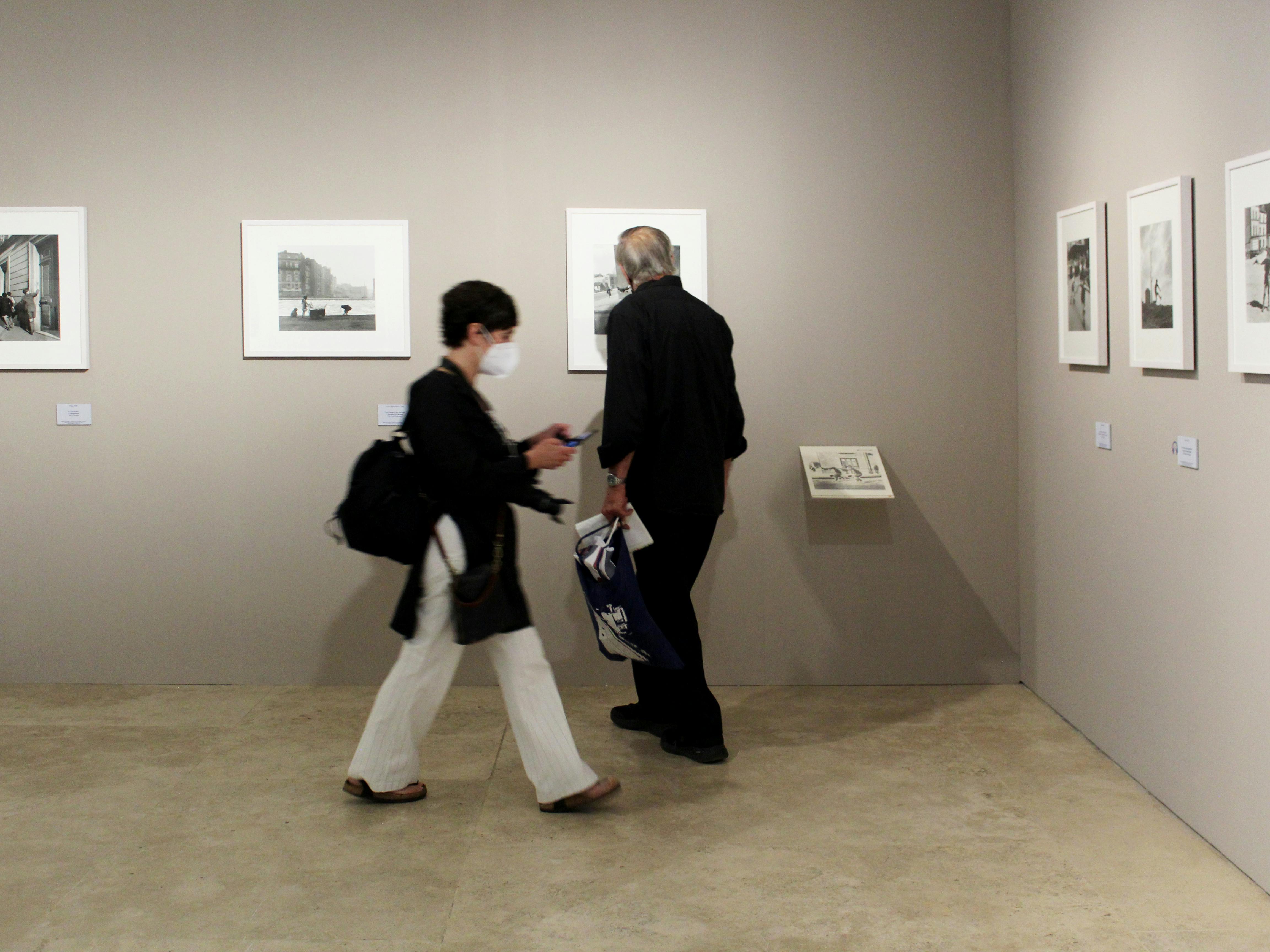
Rome, Museo dell'Ara Pacis. "Robert Doisneau" Exhibition, 2022. Audio-tactile integrated pathway.
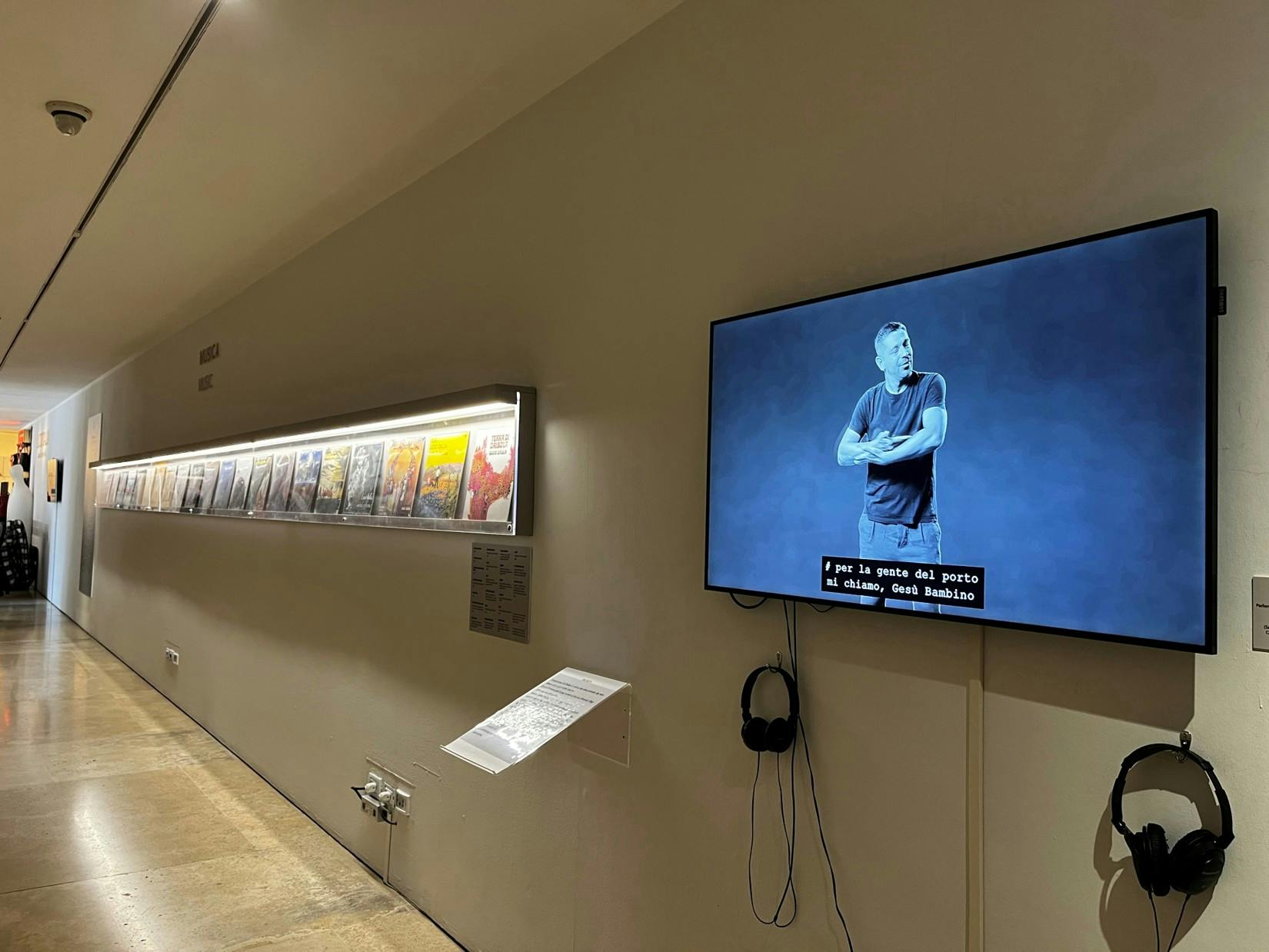
Rome, Museo dell'Ara Pacis. “LUCIO DALLA. Anche se il tempo passa” Exhibition, 2022-2023. Video LIS: "Lucio Dalla, 4 marzo 1943".
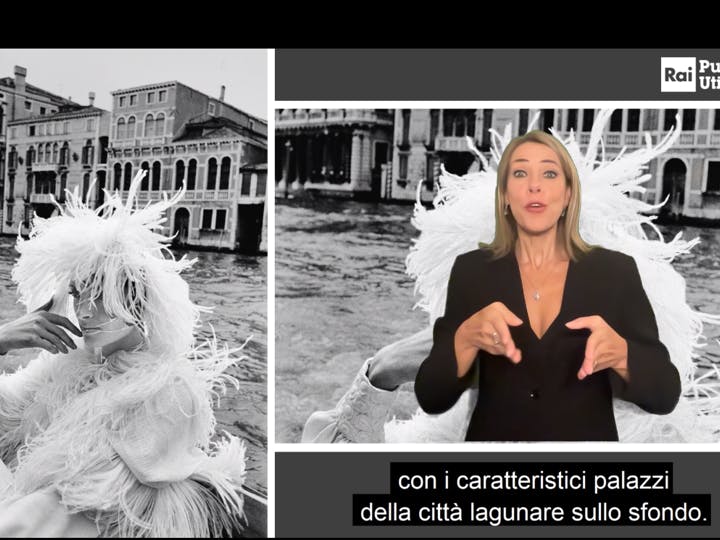
Rome, Museo dell'Ara Pacis Museum. “Helmut Newton. Legacy” Exhibition, 2023-2024. Video LIS.
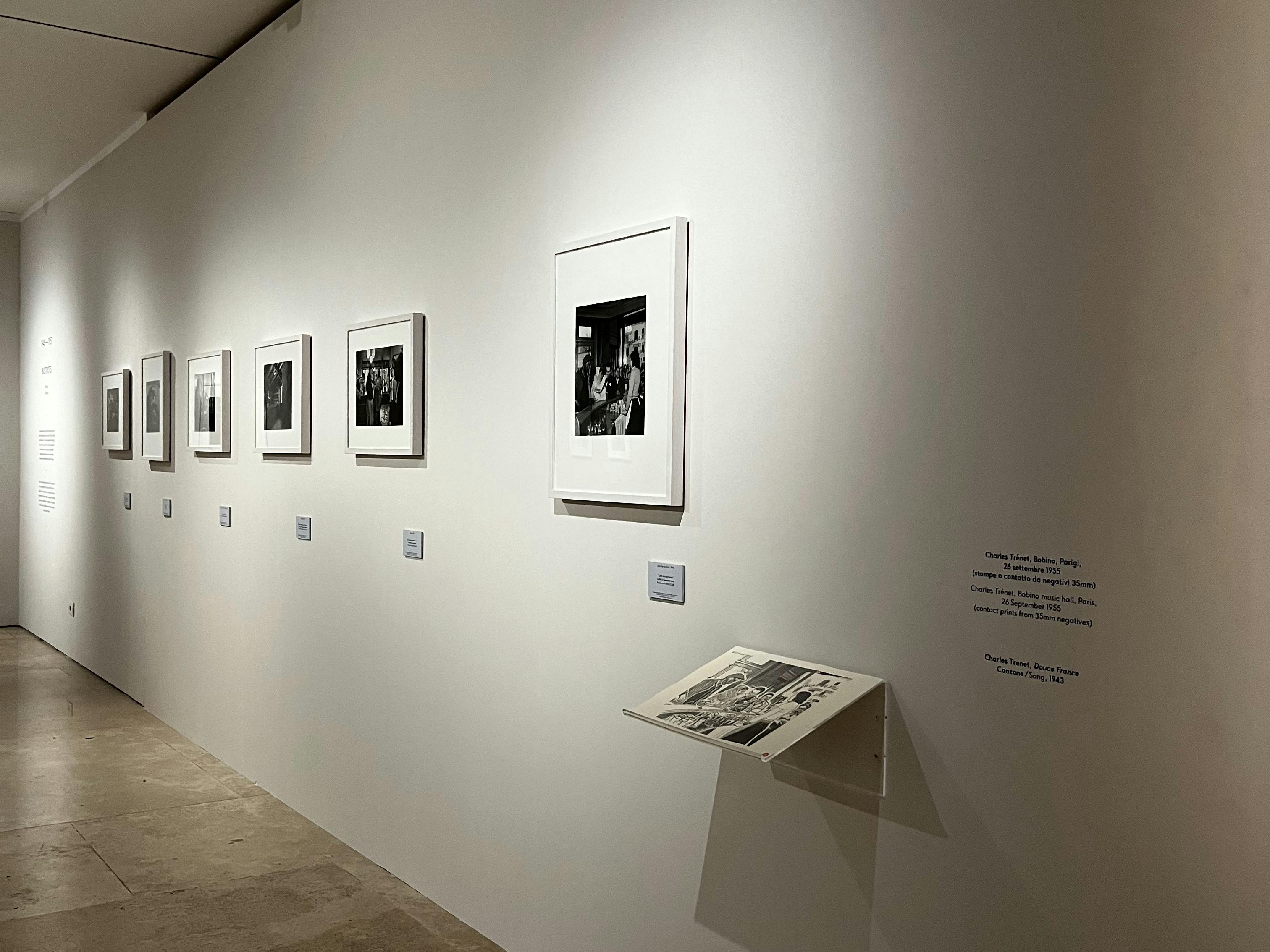
Rome, Museo dell'Ara Pacis. “Helmut Newton. Legacy” Exhibition, 2023-2024. Audio-tactile integrated pathway.
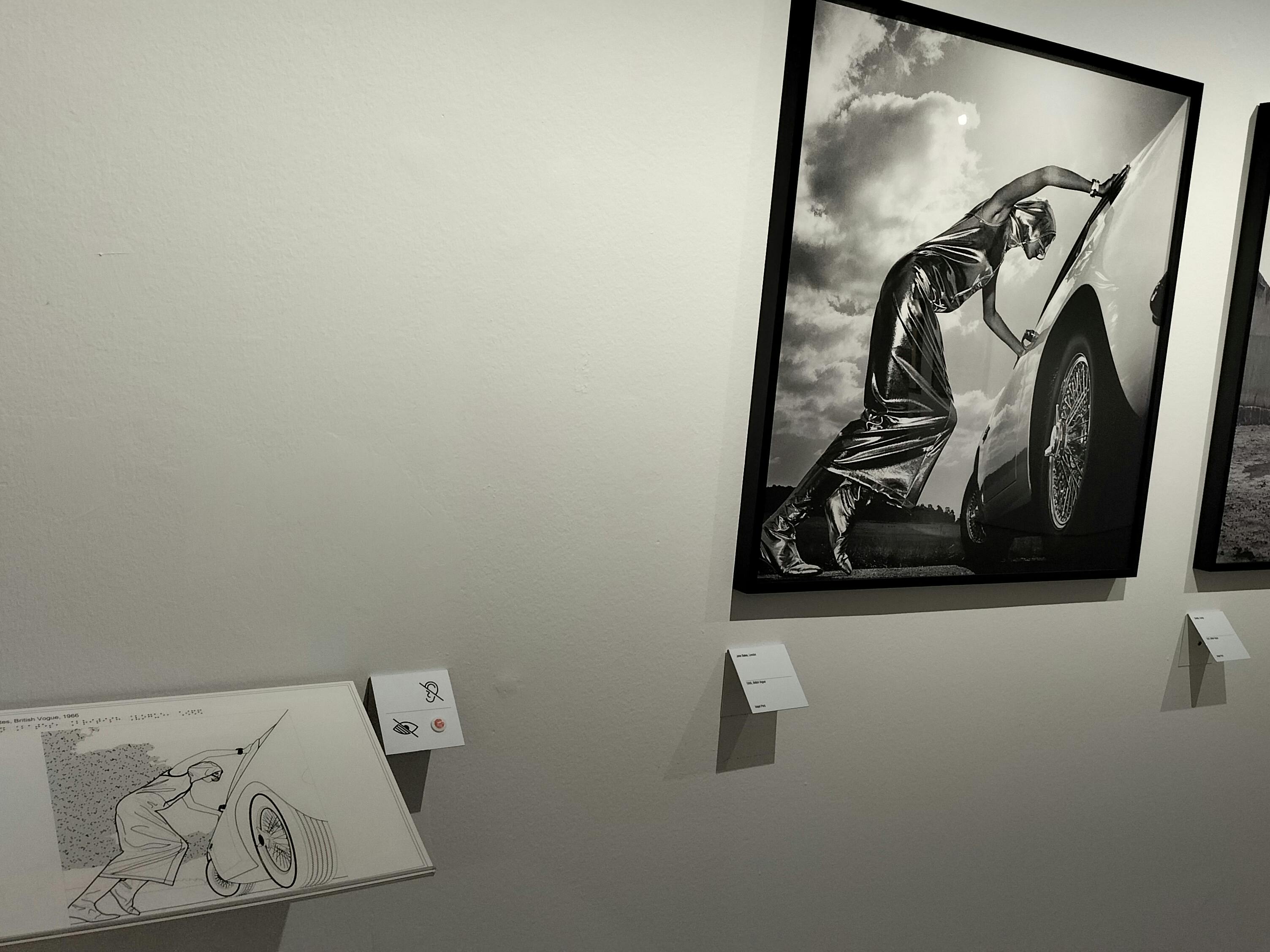
Rome, Museo dell'Ara Pacis. “Helmut Newton. Legacy” Exhibition, 2023-2024. Audio-tactile integrated pathway.
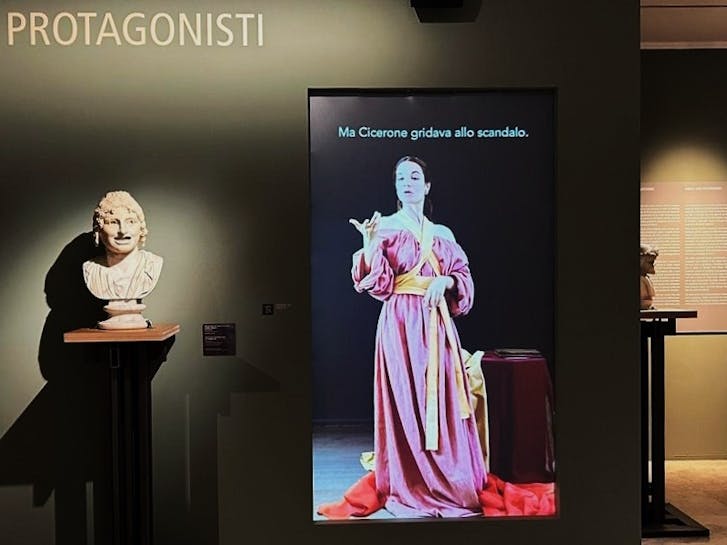
Rome, Museo dell’Ara Pacis. “TEATRO. Autori, attori e pubblico nell’antica Roma" Exhibition, 2024. Video installation in LIS.
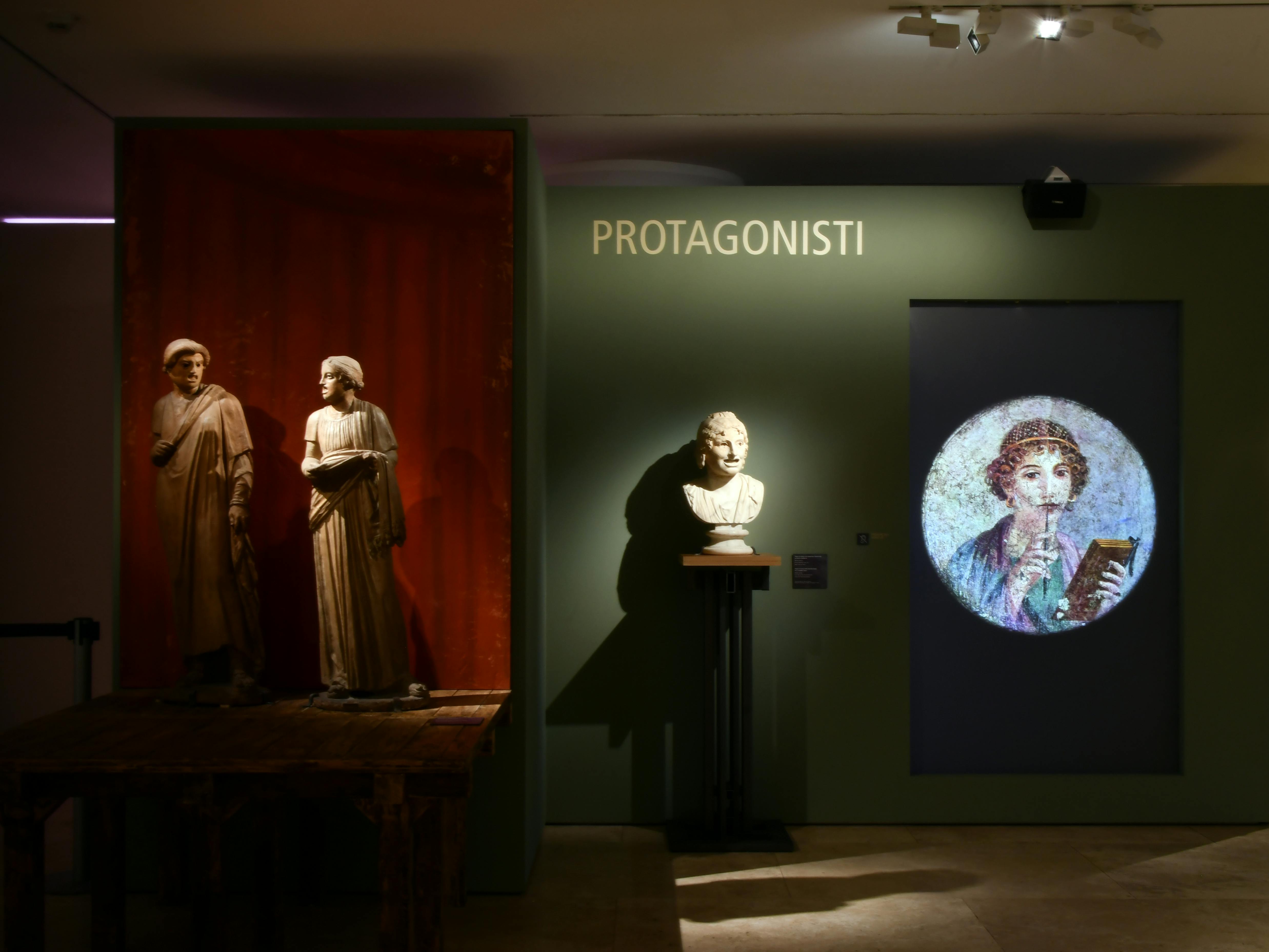
Rome, Museo dell’Ara Pacis. “TEATRO. Autori, attori e pubblico nell’antica Roma" Exhibition, 2024. Video installation in LIS.
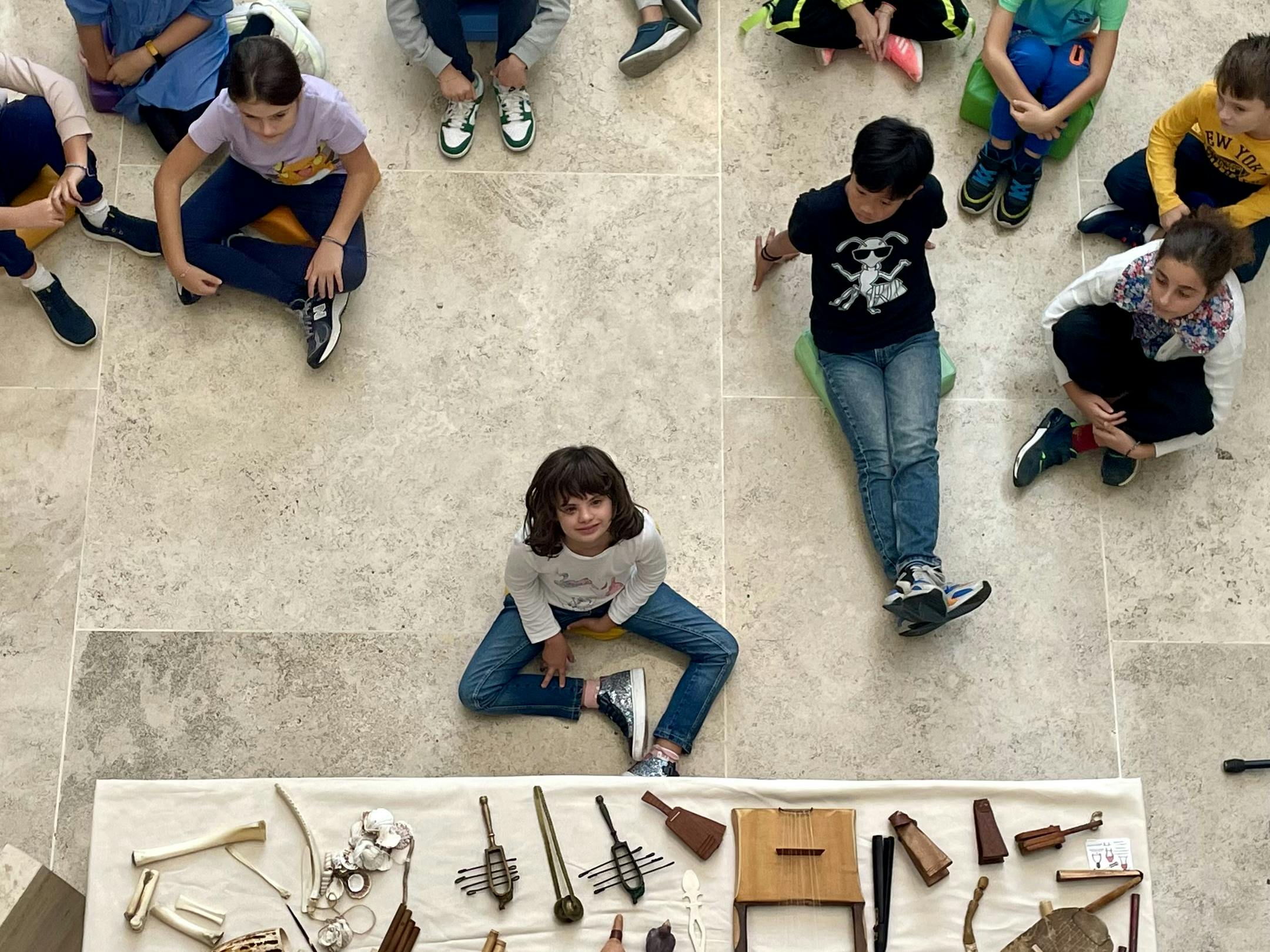
Rome, Museo dell'Ara Pacis. “THEATER. Authors, actors and audience in ancient Rome" Exhibition, 2024. Music workshop.
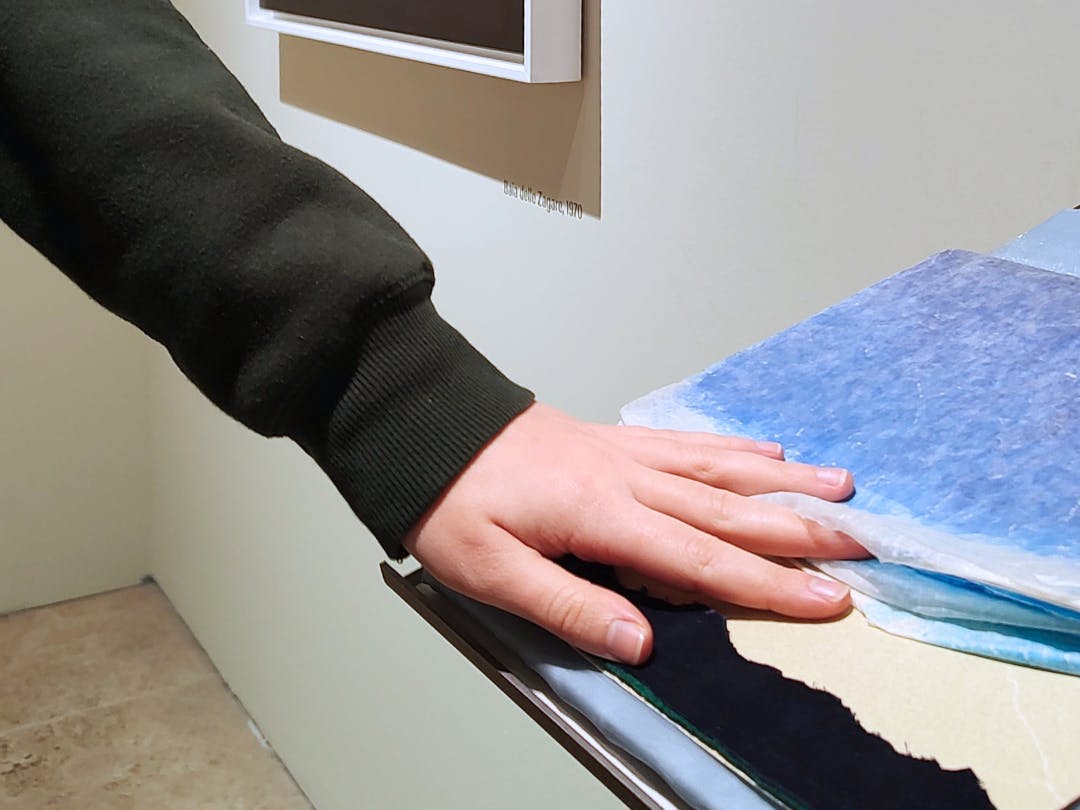
Rome, Museo dell'Ara Pacis. "Franco Fontana. Retrospective" Exhibition, 2024-2025. "Abstract Library" Project.
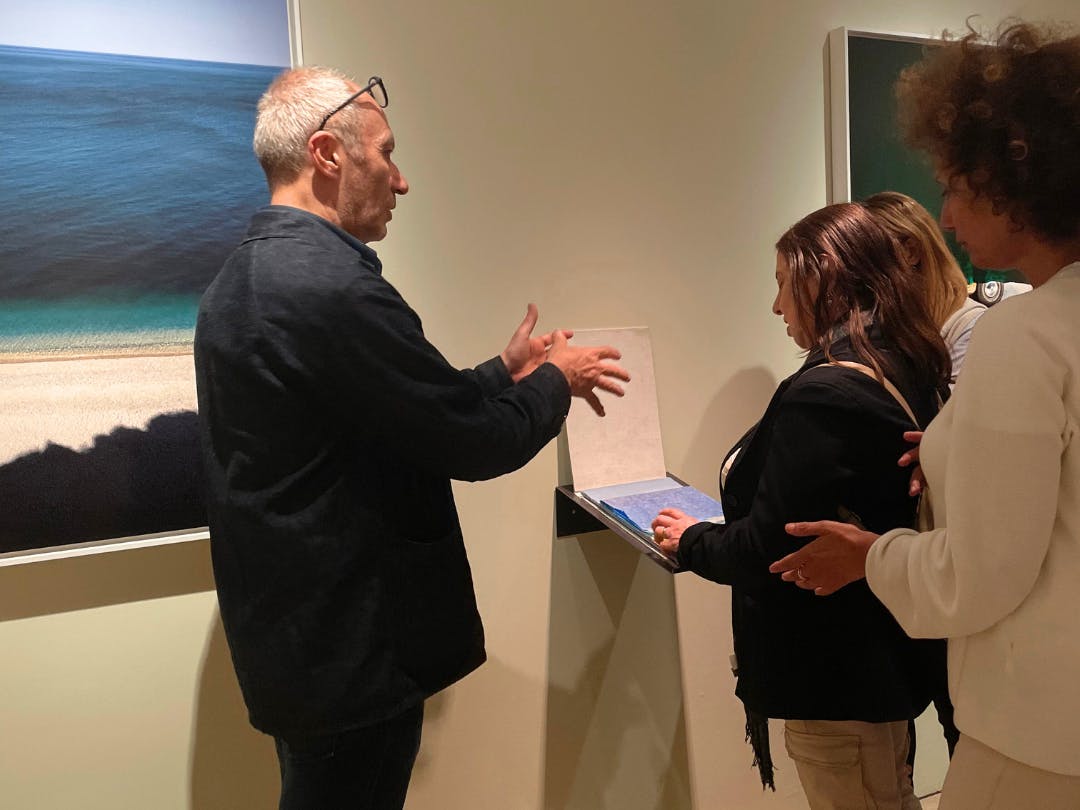
Rome, Museo dell'Ara Pacis. "Franco Fontana. Retrospective" Exhibition, 2024-2025. "Abstract Library" Project.